Restful Sleep is a Cornerstone of Health
Restful sleep is more than just clocking in a certain number of hours each night. It’s about understanding the importance of quality sleep, respecting your body’s natural rhythms, and creating an environment that promotes deep, restorative rest.
According to the American College of Lifestyle Medicine (ACLM), sleep is one of the six key pillars of lifestyle medicine, alongside nutrition, physical activity, stress management, relationships, and avoidance of risky substances. Quality sleep plays a critical role in immune function, metabolism, memory, learning, emotional regulation, and overall physical and mental well-being.
Shocking Statistics
Many people underestimate just how essential good sleep hygiene is—until they begin to feel the effects. Chronic poor sleep is linked to:
-
Fatigue and irritability
-
Increased risk of obesity, type 2 diabetes, and cardiovascular disease
-
Impaired concentration and decision-making
-
Mood disorders such as anxiety and depression
What Does it Mean to Truly Sleep Well?
Prioritize Quality Over Quantity
While 7–9 hours is the general recommendation for adults, the quality of sleep is just as important as the quantity. This means fewer awakenings throughout the night, spending sufficient time in deep and REM sleep, and waking feeling refreshed.
Create a Sleep-Conducive Environment
Support your natural circadian rhythms with:
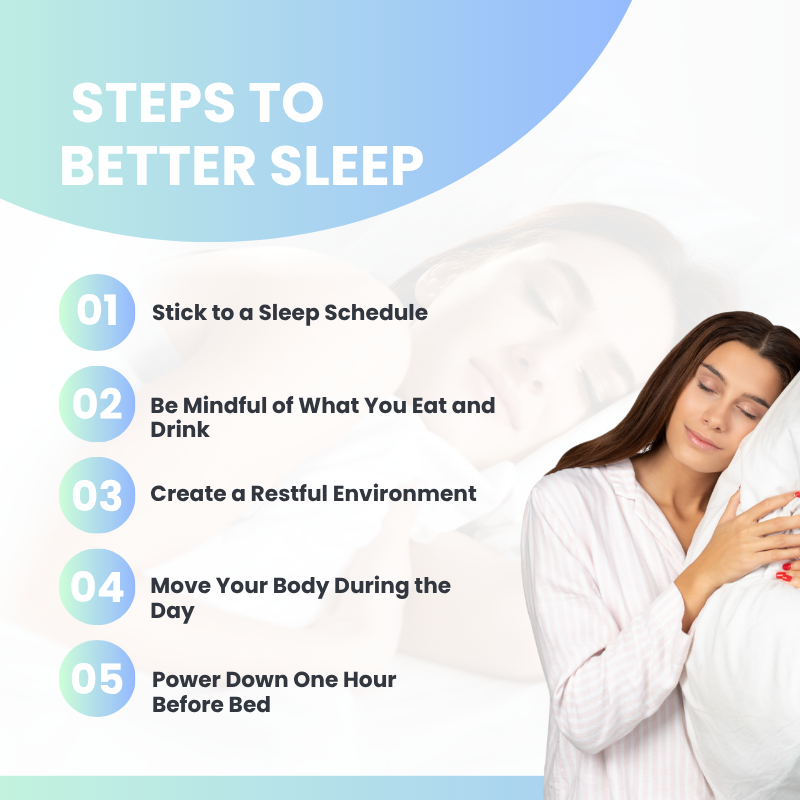
A consistent sleep-wake schedule
A cool, dark, and quiet bedroom
Limiting screen time at least an hour before bed
Reducing caffeine and alcohol intake in the evening
A calming bedtime routine (like reading, meditation, or stretching)
How a Lifestyle Medicine Health Coach Can Support Restful Sleep
If you’re struggling with sleep, you’re not alone—and you don’t have to figure it out by yourself.
A board-certified health and wellness coach, trained in evidence-based lifestyle interventions, can help you:
Identify root causes of your sleep issues (like stress, screen time, or inconsistent routines)
Set realistic, personalized goals for improving your sleep habits
Support behavior change through accountability, encouragement, and structured check-ins
Address other lifestyle factors (like stress, diet, and physical activity) that impact your sleep
Health coaches work collaboratively with clients to build sustainable, health-promoting routines—not just quick fixes. They can also work in tandem with your healthcare providers to support a whole-person approach to wellness.

Secrets to Quality Sleep
Transform Your Nights with Proven Sleep Strategies
Imagine waking up refreshed. Sleep is crucial for your well-being. With coaching, you’ll learn how to create the right environment for deep, restorative rest. Ready to turn your nights into a space for rejuvenation?